A Dba of the Dwight Angel Company, Florida, USA - 850 509 0979
A Dba of the Dwight Angel Company, Florida, USA - 850 509 0979

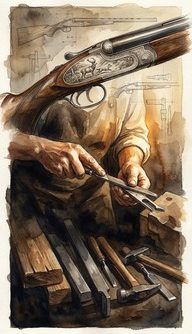
Verified gunsmith listings from every continent ensure trusted and accessible professional information.
Find Gunsmith's names, location, business names, contact information, e mail, telephone and gunsmith's specialities.
Membership is open to all Gunsmiths located internationally and listed by country of operation and/or residency.
Become a member and advertise your business internationally and in your country of operation.
Use the application registration form on Page 2, the annual membership fee is only $ 20.00.
Connect and collaborate with fellow gunsmithing professionals worldwide through listings by countries.
Access workshops, training materials, and expert guidance to hone your gunsmithing expertise.
Photo by Michael Kahn on Unsplash
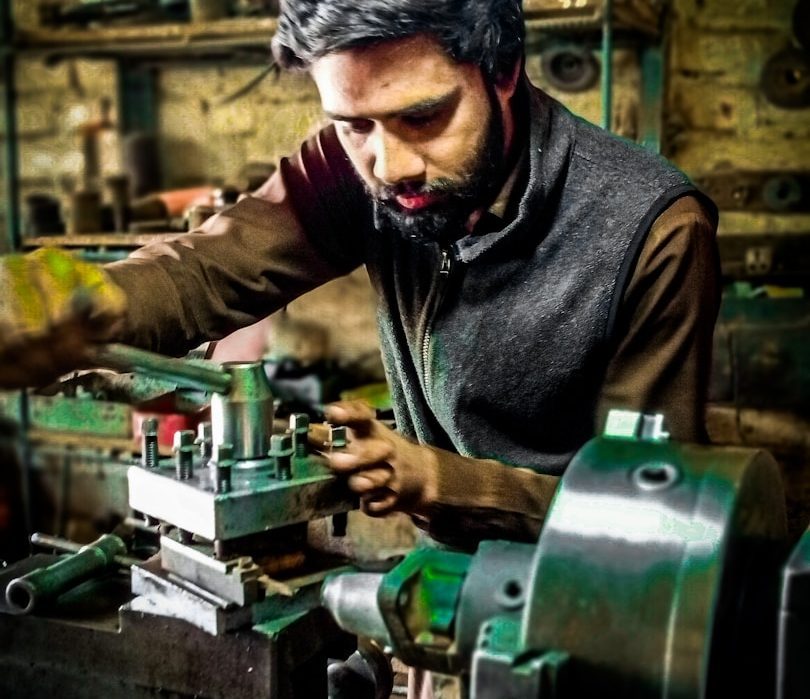
Achieve professional credibility backed by a globally trusted organization dedicated to gunsmithing.
Enable people in your country to find your business and services.
Image by Stock Cake
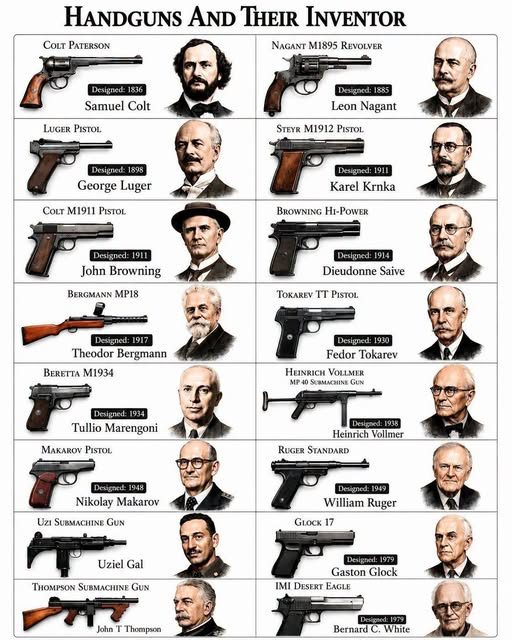
SOURCE CREDIT: Akhlaq Ghasediya https://www.facebook.com/akhlaq.ghasediya. #Handguns #FirearmsHistory #SamuelColt #JohnBrowning #GeorgeLuger #GastonGlock #Colt1911 #LugerP08 #Nagant #Tokarev #Makarov #Ruger #Uzi #Thompson #MilitaryHistory #WeaponEngineering #GunDesign #HistoricalWeapons #Innovation #HistoryFacts
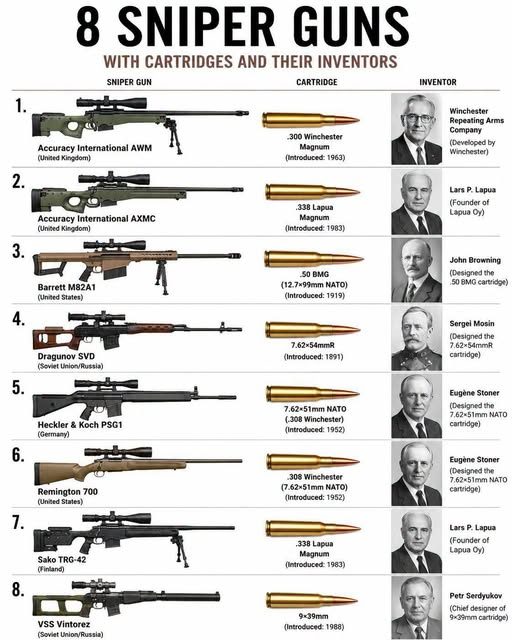
SOURCE CREDIT: Akhlaq Ghasediya https://www.facebook.com/akhlaq.ghasediya. #SniperRifle #LongRangeShooting #MilitaryHistory #FirearmsEngineering #PrecisionShooting #AccuracyInternational #BarrettM82A1 #DragunovSVD #Remington700 #SakoTRG42 #VSSVintorez #300WinMag #338Lapua #50BMG #762x54mmR #308Winchester #DefenseTechnology #WeaponHistory #Ballistics #Infographic
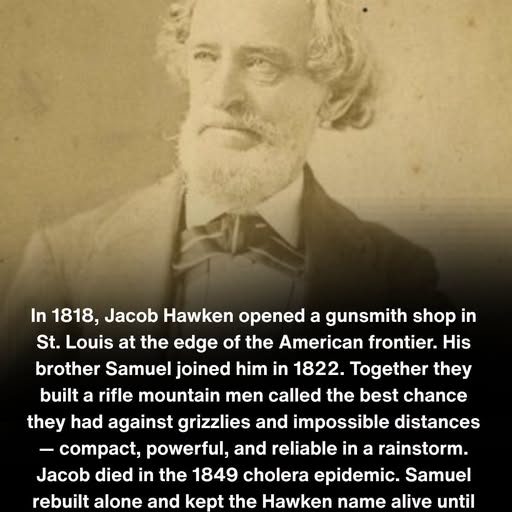
SOURCE CREDIT: The Real History of America - emperor.of.history, +1 312-585-8448, emperor.of.history@gmail.com

Patriots Nation - https://www.facebook.com/profile.php?id=61566351123272 - https://www.facebook.com/photo/??fbid=122196689624545037&set=a.122191062068545037
The History of Samuel and Jacob Hawkens
Before there was the Winchester, before the Colt became legend, two brothers at the edge of civilization built the rifle that tamed the American West—one shot at a time.
1815. St. Louis was barely a town—just mud, trade, and the thin line between order and wilderness. That’s where Jacob Hawken set up shop, a young gunsmith chasing opportunity where others saw risk. Seven years later, his younger brother Samuel arrived, fresh from the War of 1812. Together, they began building more than rifles. They solved problems.
Mountain men were dying out there. European guns failed in the cold, jammed in dust, and couldn’t stop a charging grizzly. So the Hawkens listened. They built something different—shorter than the long rifle, but stronger. Durable enough to survive brutal terrain. Accurate enough to bring down game with a single shot. Every detail mattered. Then they pushed further. While others clung to flintlocks, the Hawkens embraced percussion caps—faster, more reliable, deadlier.
It was a risk. It paid off.
They even standardized parts long before mass production became a concept. Their shop turned into a training ground, shaping craftsmen who carried their philosophy west: build it right, or don’t build it at all. Then came 1849. Cholera hit St. Louis like a storm. Jacob didn’t survive. Samuel did.
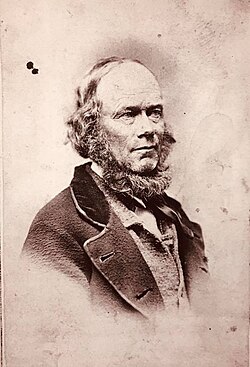
Alone, he kept going. Rebuilding after loss, after disease, after chaos. Fires, epidemics, the Gold Rush—none of it stopped him. He even went prospecting himself, chasing the same frontier his rifles helped shape. By the time “Uncle Sammy” died in 1884 at 92, his work had already traveled farther than he ever could. Kit Carson carried one. Jim Bridger trusted them. Every mountain man wanted one—even if most couldn’t afford it. Here’s the twist. Many of the early trappers never used Hawken rifles at all. They still relied on older flintlocks.
But history doesn’t run on facts alone. It runs on legend.
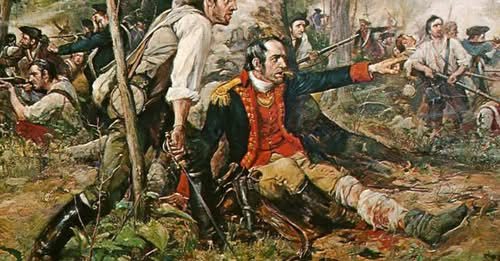
A painting from artist Frederick Coffay Yohn depicts Continental Army Brig. Gen. Nicholas Herkimer and his men fighting the British and Hessians at the Battle of Oriskany in New York, Aug. 6, 1777. Credit:Courtesy photo. VIRIN:260306-O-D0439-9004
The official U.S. Department of War Facebook account. https://www.war.gov/social-media-policy - Approved for public release. The message has been reviewed for operations security and information security concerns and approved for public release, in accordance with DoDI 5230.09 and DoDI 5230.29, as applicable.
Operating in small shops, they created American-made, handcrafted rifles, pistols and muskets.
While some parts were imported, gunsmiths often made complete firearms from scratch, including custom iron barrels and wooden stocks. Each gun was hand-filed and fitted, making every weapon a unique, one-of-a-kind piece.
Unlike the guns of today, parts were not interchangeable, a huge drawback. Soldiers could not cannibalize parts from broken weapons on the battlefield to fix their own. Because parts were hand-forged and unique to each gun, there was no quick fix for a broken internal part.
Only bore size, aka caliber, was somewhat standardized so that soldiers could use the same size lead balls.
In the heat of battle, black powder residue called fouling, broken flints, or mechanical failures would often render a significant percentage of a unit's muskets useless after just a few shots. A flash in the pan occurred when the priming powder in the external pan ignited, but the spark failed to travel through the main charge in the barrel. This resulted in the gun making a puff of smoke but not firing. Flints typically lasted for only 20 to 30 shots before they became too dull to produce a spark. The hammer would strike the steel, but no spark would fall into the powder.
Black powder is highly sensitive to moisture. Even high humidity could turn the powder into useless sludge. The flint would spark, but the damp powder would fail to catch fire. The heavy spring that drives the hammer forward was under immense tension. If it snapped, the hammer would simply hang loose, making the weapon completely inoperable. Sear spring failure is the smaller internal spring holding the hammer at half-cock safety or full-cock, ready to fire. If it broke, the gun might fire prematurely or fail to stay cocked.
The wooden stock was thinnest at the wrist where the soldier grips it. Dropping the gun or using it too forcefully in a bayonet charge often caused the wood to splinter or snap entirely. Broken hammers were often a weak point and could shear off at the neck after repeated use. If the gun's firing mechanism broke, it was still an effective 5-foot spear with the bayonet affixed.
A gunsmith was as much a craftsman as a manufacturer. They had to be capable carpenters, blacksmiths and engravers to produce their rifles. A single rifle could take weeks or even months to make, depending on the desired quality and access to needed materials. Wood was plentiful in the dense forests of Colonial America, but materials like steel and the proper tools had to be obtained from cities or even Europe.
In most cases, a master gunsmith would have several apprentices who would spend years learning the trade. Once they were deemed sufficiently trained, usually after completing a weapon entirely by themselves, the apprentice would craft a set of their own tools based on the master's and set up their own shop.
The most difficult, but most valued, step was rifling the barrel. Rifling is spiral grooves inside the barrel. It increases the ball's range and accuracy. While this was done by hand with a specialized drill at first, later gunsmiths were aided by the invention of rifle-boring machines, which greatly eased the process.
Until the Industrial Revolution of the late-1800s, the gun manufacturing process remained largely the same. The advent of interchangeable parts increased gun manufacturing as pieces could be made individually and replaced as needed. Parts could also be swapped, meaning a person could have two barrels for the same gun and switch them as they needed.
Prior to this, if a gun was damaged, the gunsmith would often need to spend days crafting a replacement piece specifically for that weapon. Now parts are stamped from sheets of metal or cast into molds that can be used repeatedly. This ability to produce intricate, delicate mechanisms from tiny, machined parts enabled the invention of automatic firearms.
Modern soldiers carry spare parts, cleaning kits, firing pins and other supplies. Revolutionary War soldiers carried almost nothing for repairs except extra flints.
A modern armorer maintains and repairs firearms with factory-provided parts, ensuring the unit's weapons meet technical standards for combat readiness. A gunsmith is a skilled artisan capable of everything an armorer does, as well as custom fabrication and machining.
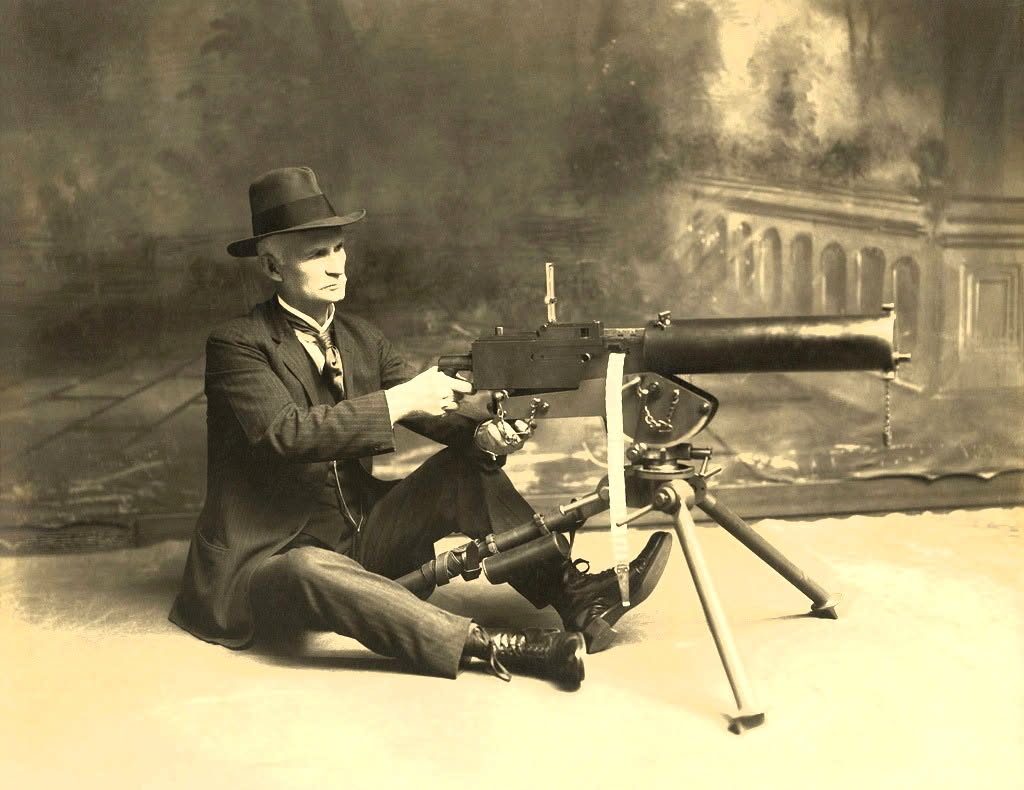
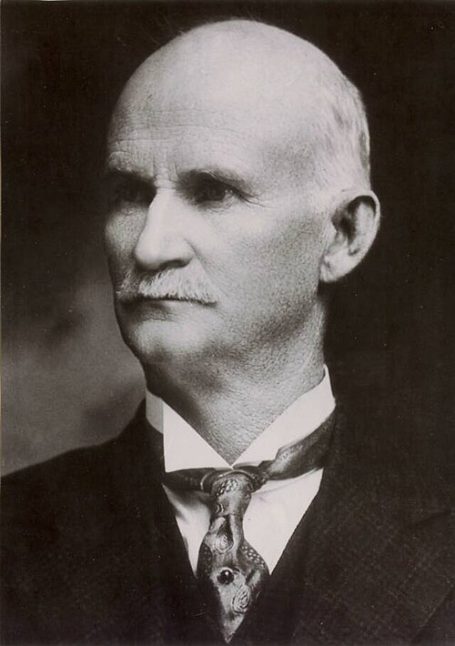
170 years ago, Tuesday, January 23, 1855, famous American gunsmith, firearms designer, & founder of the Browning Arms Company John Moses Browning (1855-1926) was born at Ogden City in Utah Territory.
☞Browning is famous for developing many varieties of military & civilian firearms, cartridges, & firearms mechanisms, many of which are still in use around the world. He is probably the most important figure in the development of modern automatic & semi-automatic firearms & he is credited with 128 firearms patents.
☞Amongst John Browning’s most successful designs are the Model ‘94 Winchester lever-action rifle, the Colt .45 M1911 semi-automatic pistol, the Browning 9mm P-35 Hi-Power semi-automatic pistol, the Browning M2 .50 calibre machine gun, the Browning Automatic Rifle, & the Browning Auto-5 semi-automatic shotgun.
☞The undated studio photograph depicts John M. Browning with one of his namesake Browning M1917 water-cooled heavy machine guns.
Source Credit: https://www.facebook.com/photo/?fbid=1161619308658210&set=a.228884581931692 -
https://www.facebook.com/photo/?fbid=1161619308658210&set=a.228884581931692
Michael Rodgers · https://www.facebook.com/search/top?q=gunsmith%20history
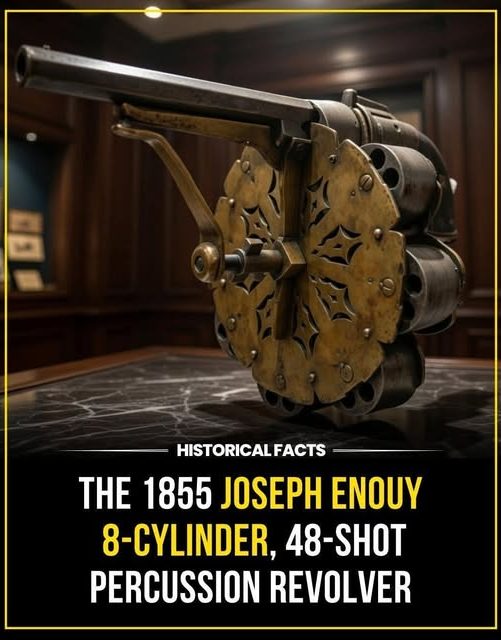
Joseph Enouy's 1855 Revolver Could Fire 48 Shots Without Reloading
In the mid-19th century, gunsmith Joseph Enouy pushed the boundaries of firearm design. His 8-cylinder, 48-shot percussion revolver from 1855 wasn’t just a weapon—it was a marvel of engineering. Imagine holding a single hand cannon capable of unleashing nearly fifty rounds before needing to reload. For people back then, it must have felt like holding the future in their hands.
Enouy crafted this revolver during a time when most firearms were slow, single-shot weapons. Each cylinder held multiple charges, allowing a rapid succession of fire unheard of in his era. It was intricate, heavy, and required careful handling, but it represented the peak of innovation and ambition in gunmaking history. This isn’t just a firearm; it’s a glimpse into the inventive spirit of 19th-century culture and heritage.
#Historicalfacts #AntiqueFirearms #GunHistory #19thCenturyInnovation #fblifestyle
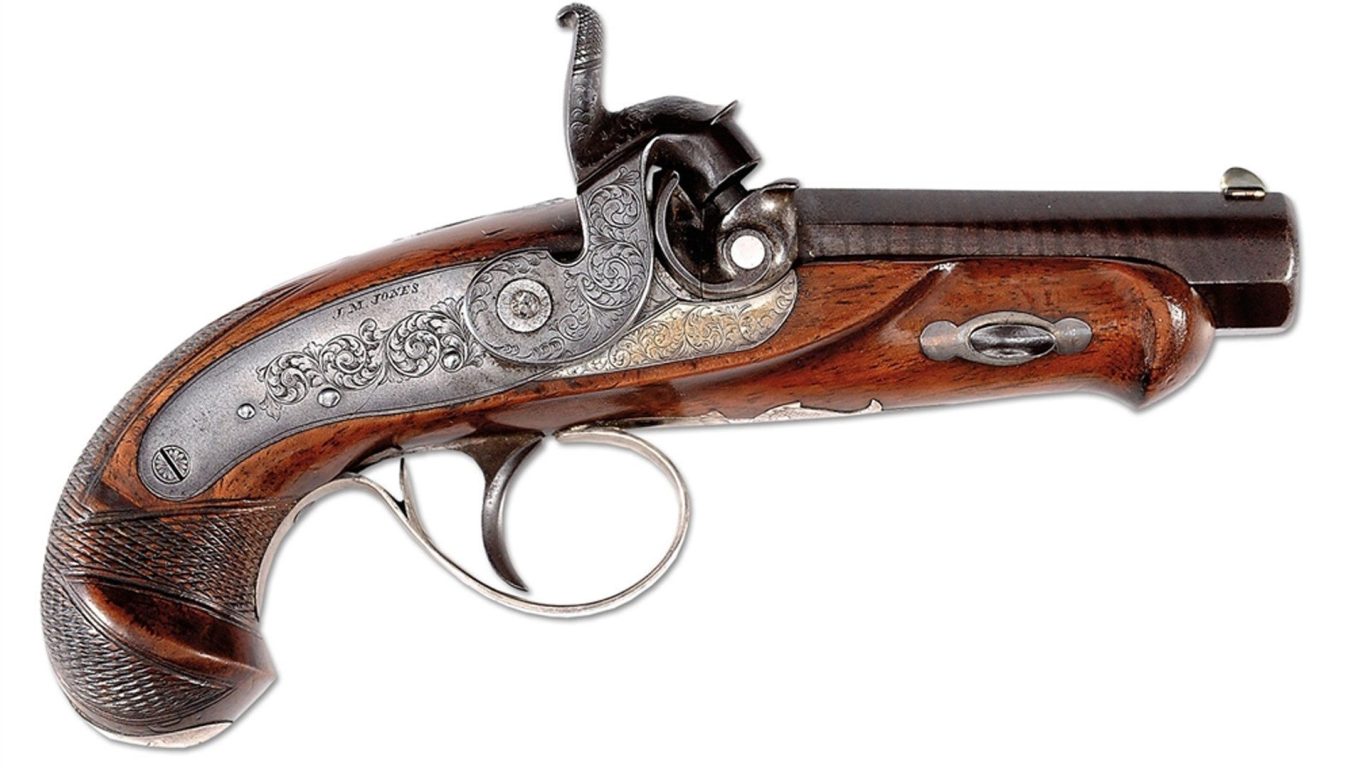
by Dave McCormick - posted on August 29, 2024 - Historical, Guns, News
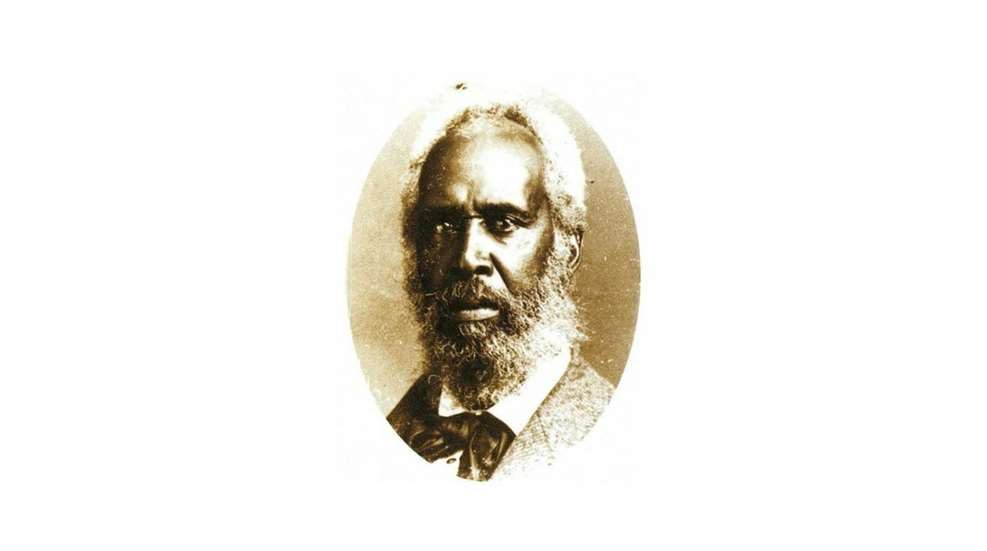
In the mid-1800s, the safety of the populace in Chatham, Ontario, Canada, hinged upon the good quality of their rifles for hunting food and pocket pistols for defense against would-be assailants. James M. Jones’ skill provided the tools to fill those needs. James M. Jones was born into an enslaved black family. Fortunately for him and his siblings, his father had the foresight to buy his family’s freedom. The family picked up and removed from the Carolinas to Ohio. James and his three brothers eventually enrolled in Oberlin College, unheard of for black Americans at this time. James left the college in 1849 with a Bachelor of Science degree in hand.
But how did James’ father earn the money to free his family? He worked in the trades as a blacksmith and possibly a gunsmith. It was with the money he earned as a blacksmith that he bought the freedom of his wife and family. Actually, some would say he had to purchase their freedom twice, as the unscrupulous slaveholder demanded $1,000 over the agreed-upon price of $2,000.
Even after buying his family’s freedom, Allen Jones thought it best to move out of North Carolina, a slaveholding state, to the free state of Ohio. Although the family lived as free blacks in Raleigh, N.C., the severe beating Allen received at the hands of a white mob was most likely the catalyst that led the Jones family to seek shelter in Ohio. The white-owned Raleigh Register’s Oct. 18, 1842, edition came out lambasting the attack on Allen Jones, a free black man, proclaiming the attack a "Disgraceful Outrage."
Even though James and his family were residing in the relative safety of the little town of London, Ohio, his father, Allen, was drawn to take his family to Chatham, Ontario, considered by many blacks as the "promised land," as it was the terminus of the Underground Railroad. Chatham was seen by the former slaves and free African-Americans as a safe anchorage, as blacks made up nearly one-third of its population.
It was in Chatham that James established himself in the gunsmithing trade and where James’s superior gunsmithing skills cemented the sobriquet, "Gunsmith" Jones. While turning out firearms in Chatham, he was the sole black gunsmith residing in all of pre-Confederation Canada. He proved his gunsmithing skills by turning out exquisite pocket-size derringers. He had a burgeoning market in wild and woolly Canada, where people relied on their firearms for their very existence.
https://www.facebook.com/search/top/?q=GUNSMITH%20HISTORY
https://www.americanrifleman.org/content/from-slave-to-gunsmith-the-james-jones-story/
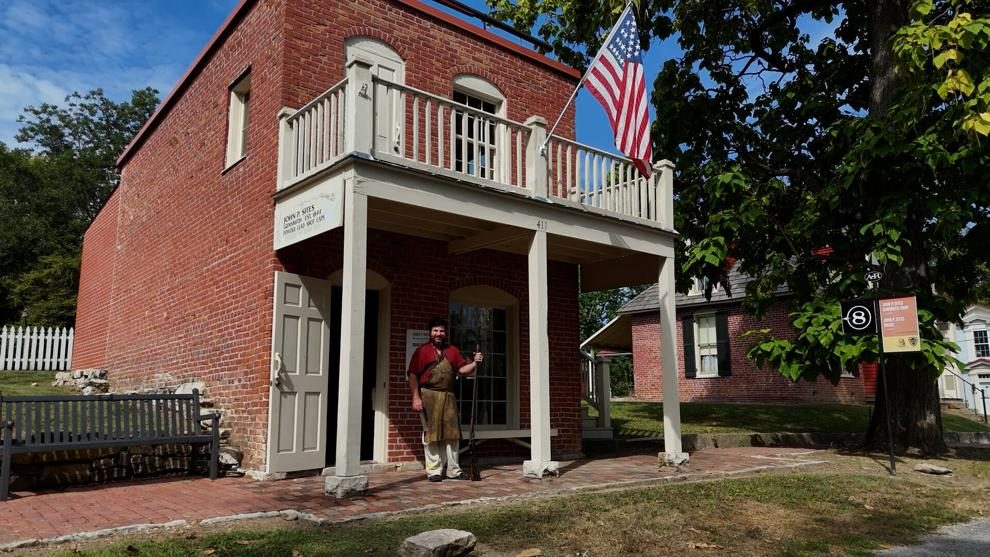
Tyler Sydebotham poses outside the John P. Sites Jr. Gunsmith Shop in Arrow Rock. He operates his business, Golden Mean Flintlocks, out of the building.
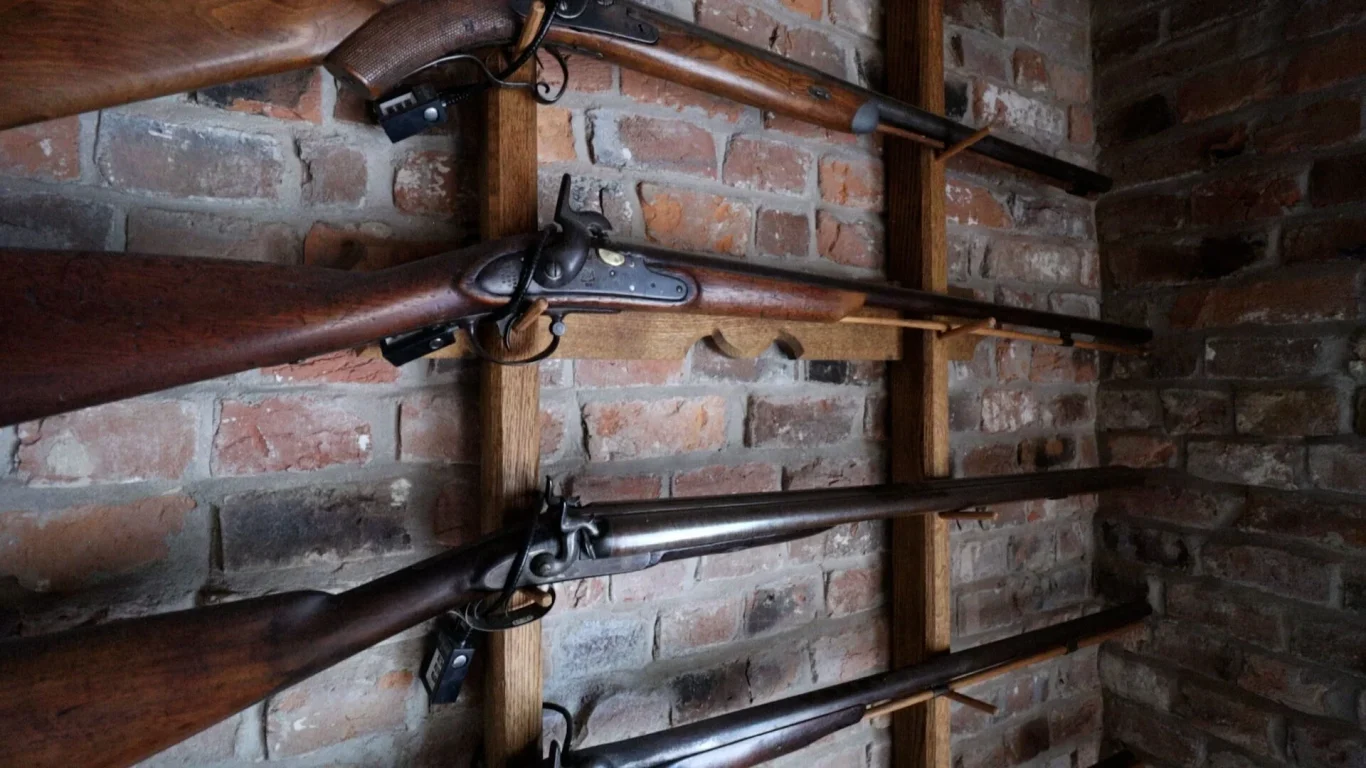
Arrow Rock Gunsmith
Holds History in His Hands
ARROW ROCK — The state of Missouri spans just under 70,000 square miles. The town of Arrow Rock spans 0.13.
The small town is home to one of only two shops in the U.S. still making 18th-century flintlock rifles from scratch — gunsmith Tyler Sydebotham of Bartlesville, Oklahoma, is the friendly face behind the shop.
Sydebotham is the active gunsmith at the historic John P. Sites Jr. Gunsmith Shop in Arrow Rock. "I absolutely love what I do, and it never feels like I work a day in my life when I'm here," Sydebotham said.
The John P. Sites Jr. Gunsmith Shop in Arrow Rock, Missouri, has a rich and interesting history rooted in the town's frontier era.
Here's a breakdown of its history:
Established in 1844: The shop was founded by John P. Sites Jr., a master gunsmith known for his skill and innovation.
Family Tradition: Sites learned the trade from his father, John Sites Sr., who had honed his craft in the Appalachian Mountains after the Revolutionary War.
Frontier Context: Arrow Rock, a prominent settlement on the Missouri River and a stop on the Santa Fe Trail, provided a crucial backdrop for Sites' work, as firearms were essential for frontier life.
Services Offered: Sites repaired, converted, and sold firearms, including converting flintlock rifles to the newer percussion style. He also provided essential gunsmithing supplies like lead, powder, balls, and caps.
Skilled Craftsmanship: Sites was considered one of the most talented artisans in the United States, creating not only functional weapons but also works of art.
Decline of the Craft: As modern manufacturing developed, mass-produced firearms became more prevalent, leading to a decline in the gunsmithing craft and impacting businesses like Sites'.
Modern Day Preservation: Today, the Sites Gunsmith Shop stands as a testament to this historical period. It is part of the Arrow Rock State Historic Site, which features exhibits, tours, and demonstrations that interpret the history of the shop and the life of a frontier gunsmith.
Source Credits:
Tyler Sydebotham, the active gunsmith at the historic John P. Sites Jr. Gunsmith Shop, hopes to keep history alive. Nov 11, 2025 Updated Dec 8, 2025.
https://www.komu.com/news/showmemissouri/arrow-rock-gunsmith-holds-history-in-his-hands/article_f089d746-34cf-4e0f-83bc-cb3d5dfe58b3.html
https://www.youtube.com/channel/UCa6vhwh3rTB0rmu6mN9bj3A?view_as=subscriber - Jeff Schreckler
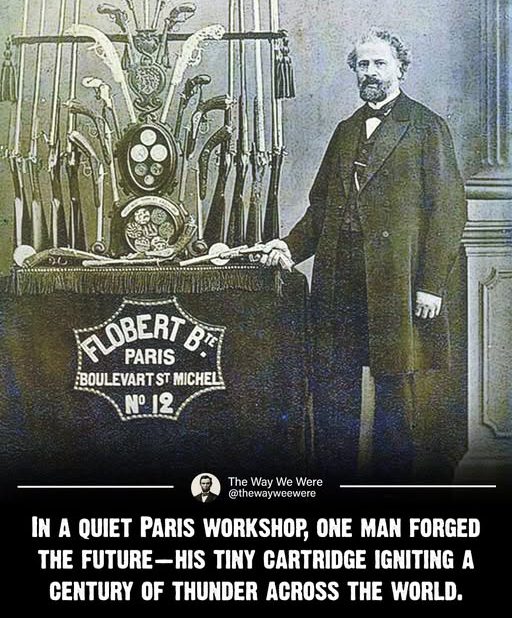
SOURCE CREDIT: The Way We Were, https://www.facebook.com/hashtag/firearmsevolution, #InventorsOfHistory #FirearmsEvolution
In 1845, within a modest Parisian workshop, a quiet genius named Louis-Nicolas Flobert altered the course of firearms forever. A gunsmith by trade and an inventor by instinct, he crafted a single metallic cartridge that united bullet, primer, and powder into one seamless unit. In an instant, centuries of clumsy loading—pouring powder, ramming wads, seating bullets—were reduced to the simple click of a cartridge sliding home. It was elegance born of precision, and few grasped how profoundly it would change the world.
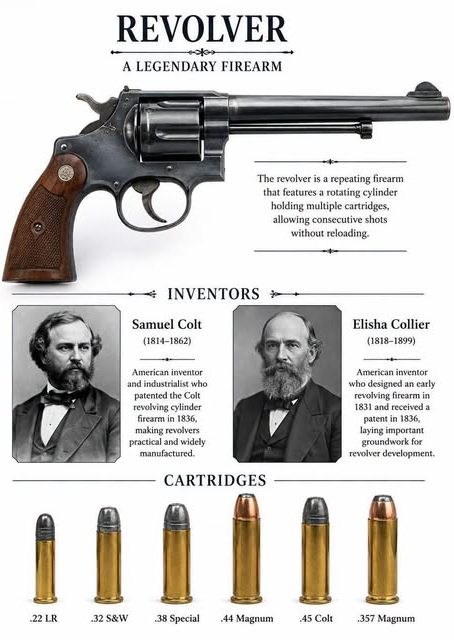
SOURCE CREDIT: Akhlaq Ghasediya, Revolver: A Legendary Firearm Through History. #Tags: #Revolver #FirearmHistory #SamuelColt #ElishaCollier #Engineering #Innovation #History #VintageFirearms #MechanicalDesign #Historical Technology #FirearmsEducation #GunHistory #Collectors #ShootingSports #IndustrialRevolution
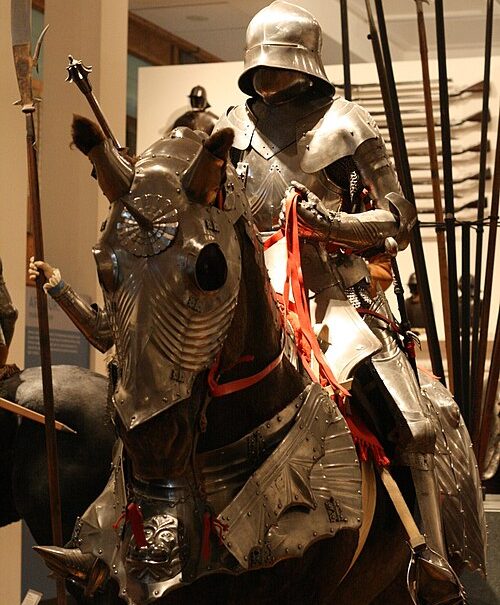
Gothic plate armour, Royal Armouries in Leeds - TonyParkin67 - Flickr: https://www.flickr.com/photos/parkituk/7125732671/ - Description English: Gothic armor for horseman and steed, late 15th century, Royal Armories Museum in Leeds, UK - Date 29 April 2012, 11:37:36 - Source Flickr: https://www.flickr.com/photos/parkituk/7125732671/ - Author TonyParkin67
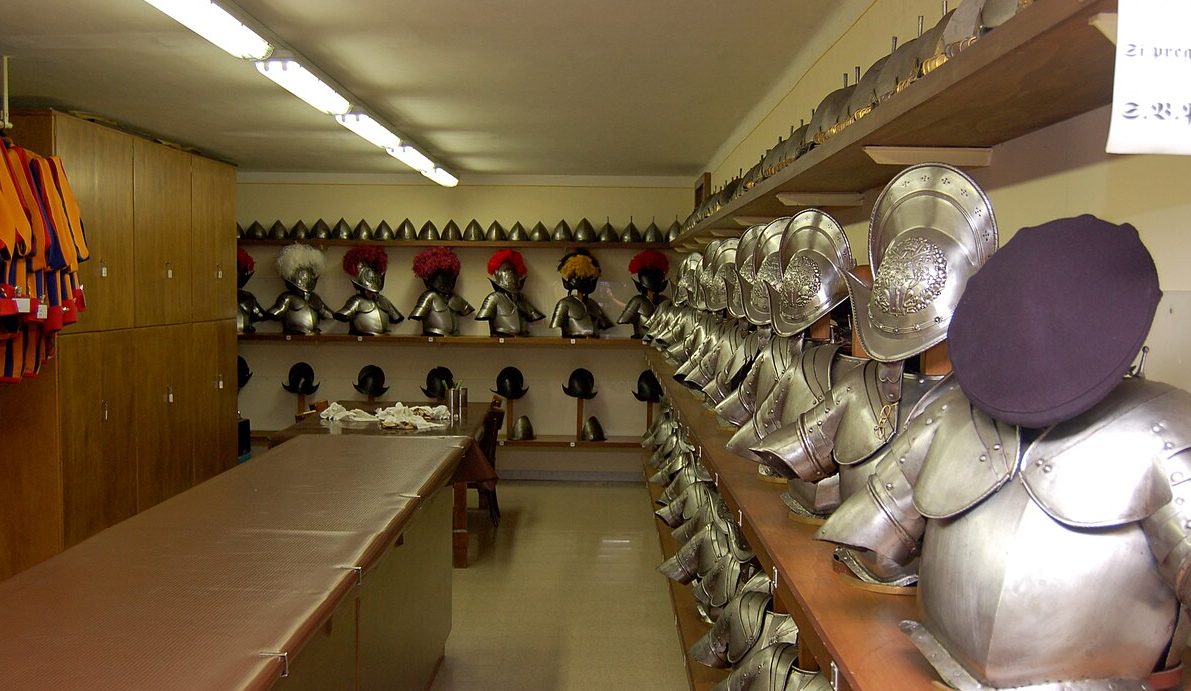
By Andreas Walker - Self-photographed, Public Domain, https://commons.wikimedia.org/w/index.php?curid=5944738 - Description: Deutsch: Armeria - Date: 23 May 2008 (original upload date) Author Andreas Walker
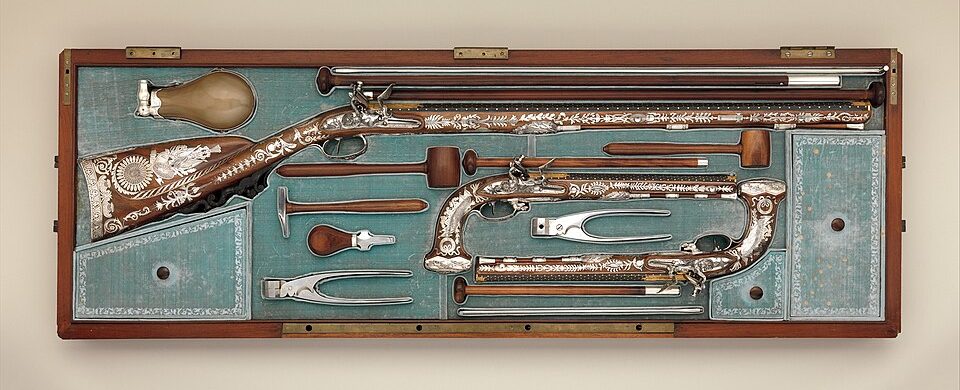
Cased Set of a Flintlock Rifle, a Pair of Pistols, and Accessories MET DP271137.jpg. French, Versailles; Cased set of a flintlock rifle, a pair of pistols, and accessories; Firearms-Guns-Flintlock. Nicolas Noël Boutet, Circa 1800
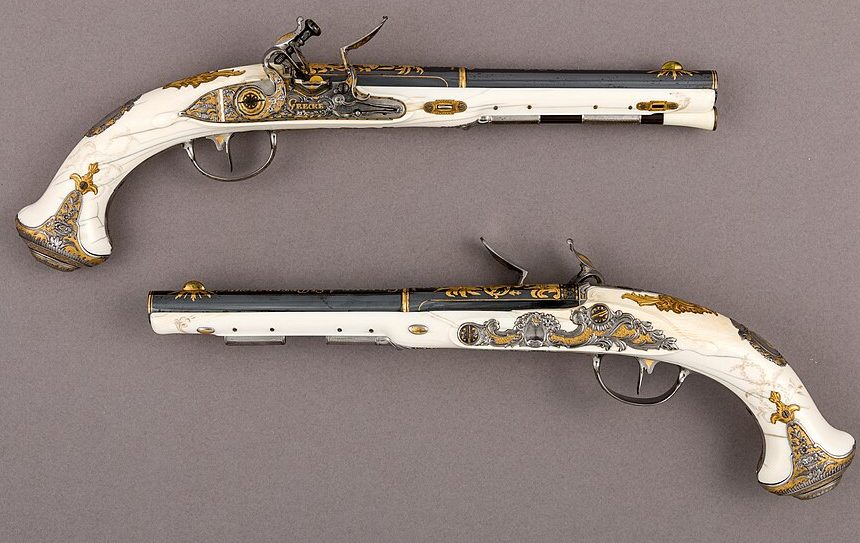
Pair of Flintlock Pistols of Empress Catherine the Great (1729–1796) MET LC-1986 265 1 2-009.jpg. Russian, Saint Petersburg; Pair of flintlock pistols; Firearms-Pistols-Flintlock. Creator:Johan Adolph Grecke - Creative Commons Zero, Public Domain Dedication - Pair of Flintlock Pistols of Empress Catherine the Great (1729–1796) MET LC-1986 265 1 2-009.jpg.
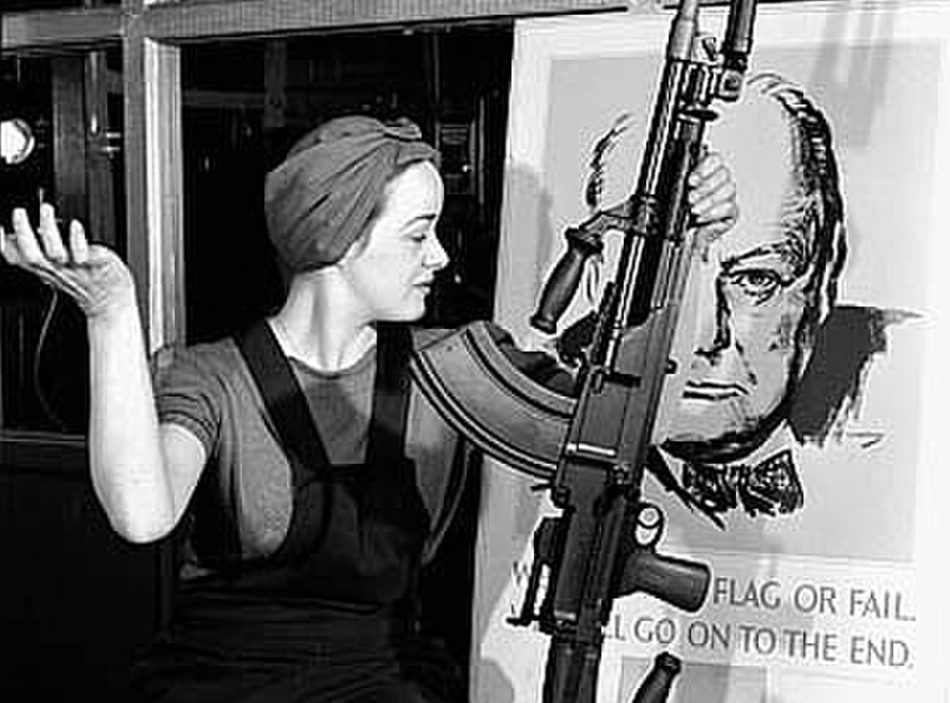
Veronica Foster, ww2 gunsmith, displays a finished Bren gun -c.jpg. Veronica Foster, ww2 gunsmith, hard at work. Unknown author, Public domain
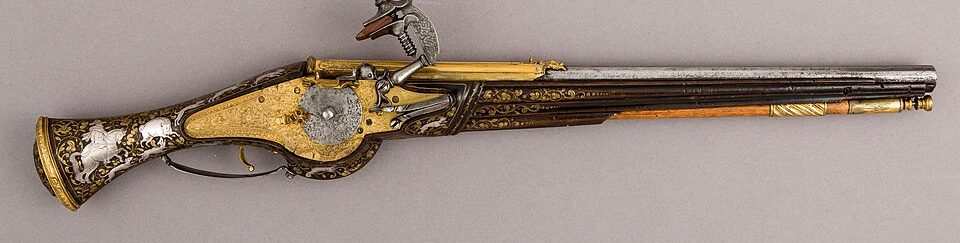
Wheellock Pistol MET LC-10 42-003.jpg - Swiss, Zürich; Wheellock pistol; Firearms-Pistols-Wheellock - Felix Werder - Creative Commons Zero, Public Domain Dedication - Wheellock Pistol MET LC-10 42-003.jpg - [[File:Wheellock Pistol MET LC-10 42-003.jpg|Wheellock_Pistol_MET_LC-10_42-003]] Dated 1630
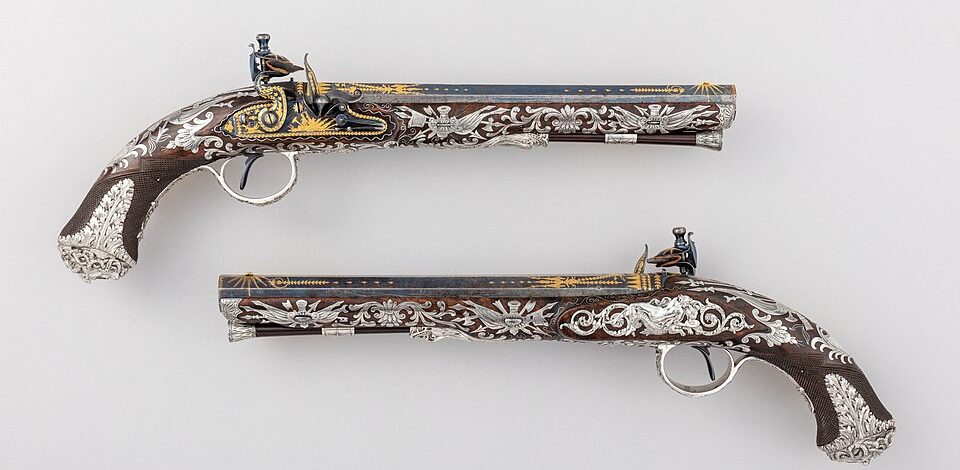
Pair of Flintlock Pistols MET LC-1992 330 1 2-070.jpg - British, London; Firearms; Pair of flintlock pistols - Samuel Brunn - Creative Commons Zero, Public Domain Dedication - Pair of Flintlock Pistols MET LC-1992 330 1 2-070.jpg Copy - Hallmarked for 1800–1801
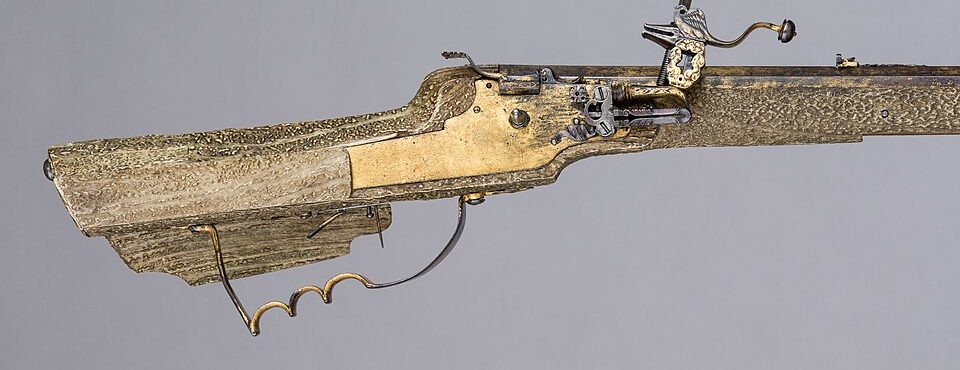
Wheellock Rifle with Spanner, Shot Extracting Tool, and Shooting Patch MET LC-2015 446a d-006.jpg - German, Augsburg; Firearms-Guns-Wheellock; Wheellock rifle with spanner and accessories - Creator:Martin Kammerer - Creative Commons Zero, Public Domain Dedication - Wheellock Rifle with Spanner, Shot Extracting Tool, and Shooting Patch MET LC-2015 446a d-006.jpg - Circa 1665
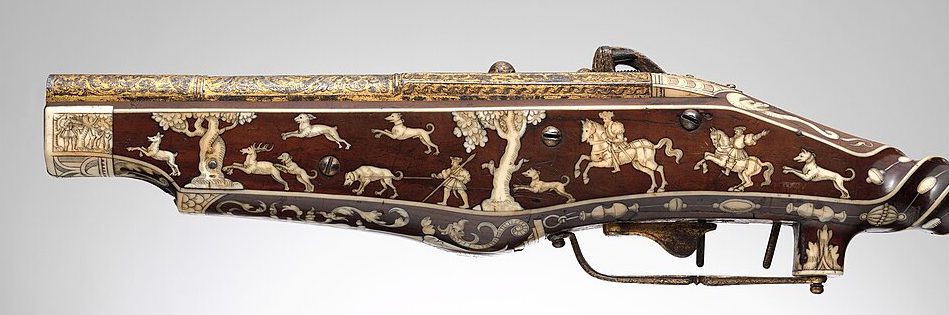
Double-Barreled Wheellock Pistol Made for Emperor Charles V (reigned 1519–56) MET DP272457.jpg - German, Munich; Double-barreled wheellock pistol; Firearms-Pistols-Wheellock - Creator:Ambrosius GemlichCreator:Peter Peck - Creative Commons Zero, Public Domain Dedication - Circa 1540.
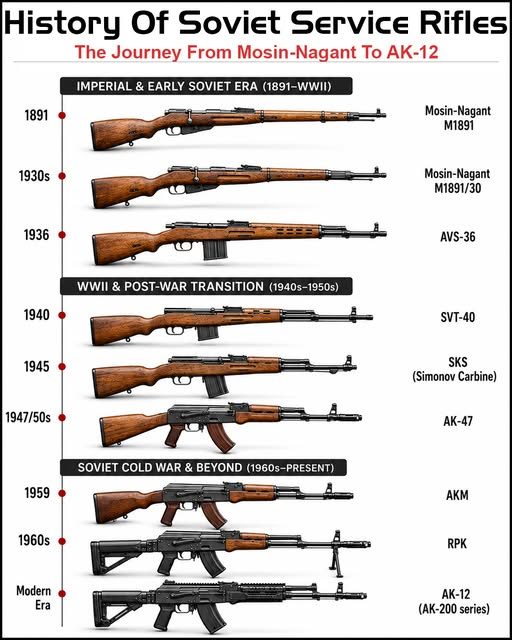
Full Credits: https://www.facebook.com/profile.php?id=61550247312085 - History Of Soviet Service Rifles : Mosin-Nagant M1891 (Russia) || AVS-36 (USSR) || SVT-40 (USSR) || SKS (USSR) || AK-47 (USSR) || AKM (USSR) || RPK (USSR) || AK-12 (Russia)
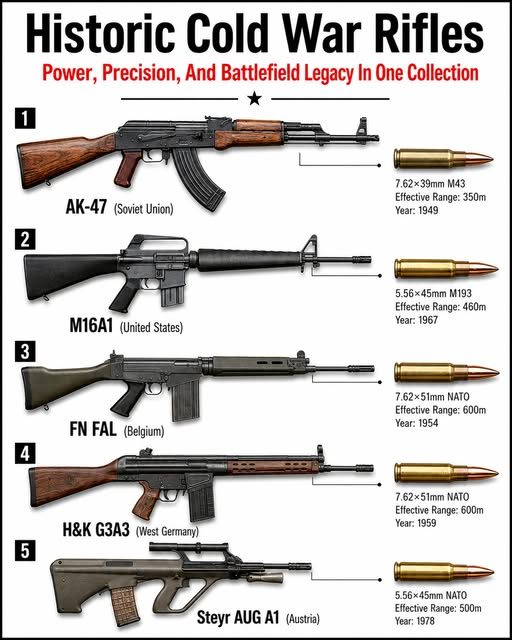
FULL CREDIT: Military Power - https://www.facebook.com/profile.php?id=61550247312085 - Historic Cold War Rifles Comparison : AK-47 (Soviet Union) || M16A1 (United States) || FN FAL (Belgium) || H&K G3A3 (West Germany) || Steyr AUG A1 (Austria)
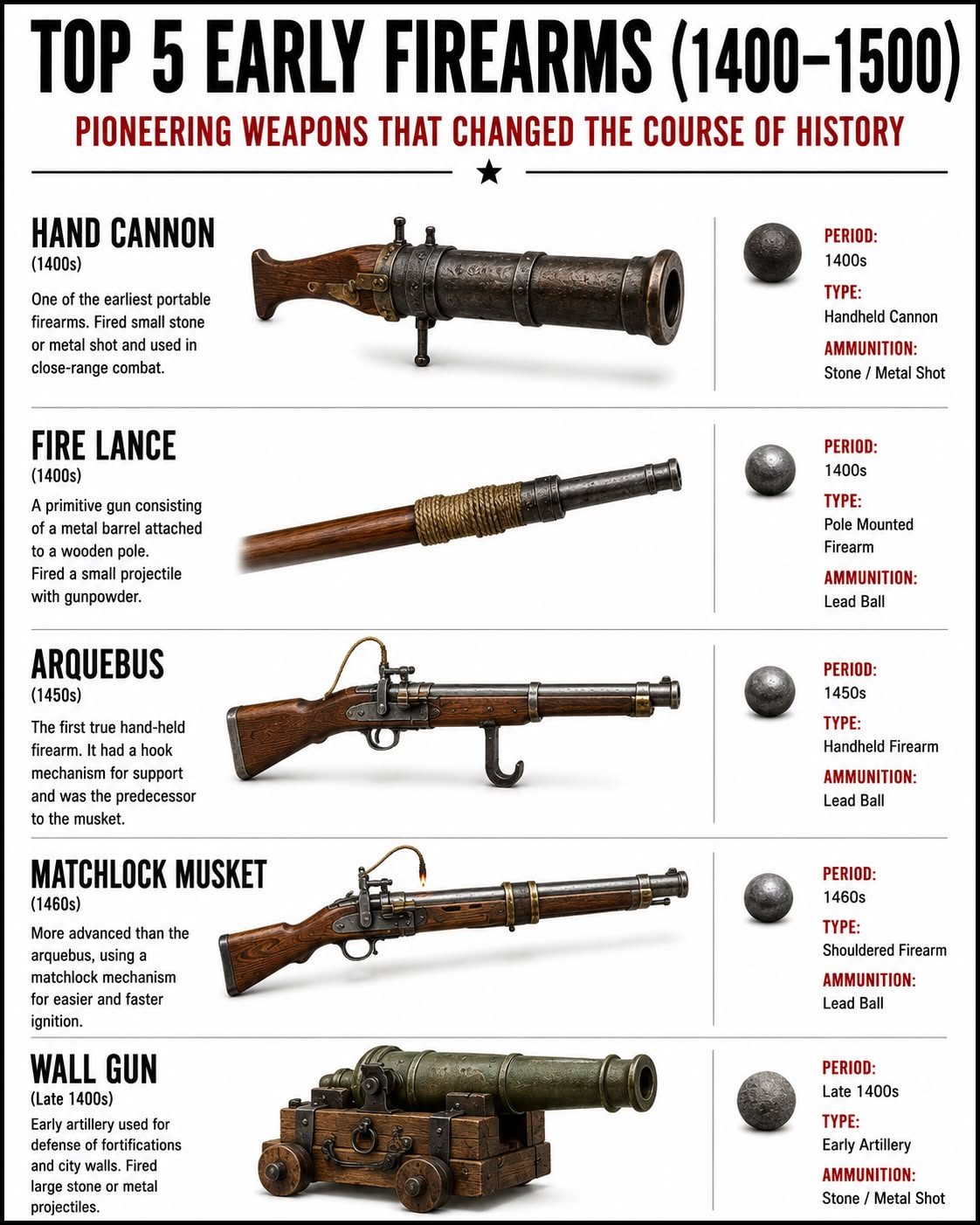
FULL CREDITS: Military Power - https://www.facebook.com/photo/? bid=122329991798008243&set=a.122250219764008243
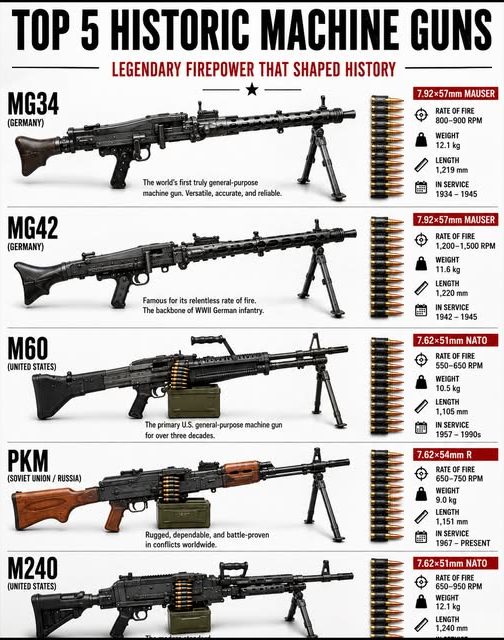
FULL CREDIT: Military Power - https://www.facebook.com/profile.php?id=61550247312085
(5) Legendary Machine Guns That Shaped Warfare
We need your consent to load the translations
We use a third-party service to translate the website content that may collect data about your activity. Please review the details in the privacy policy and accept the service to view the translations.